Less The Wire, More This
Last night in Baltimore, a room full of founders reminded me why this city is worth betting on.

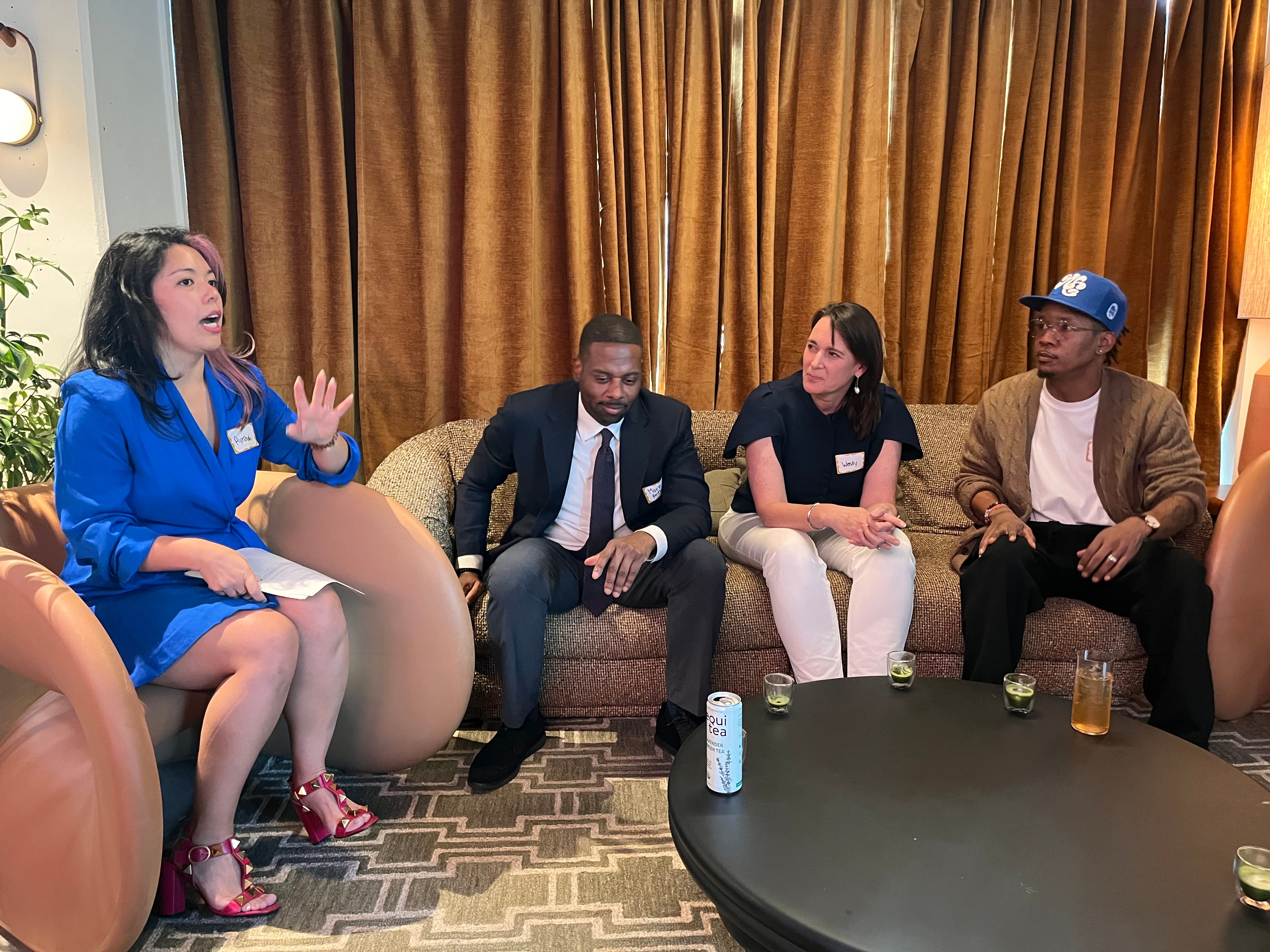
Last night I sat in a room full of people who chose Baltimore. Not by accident. Not because they couldn’t get out. But because they looked at this city — with all its complexity, all its challenges, all its potential — and decided this is where they wanted to build something.
The event was Made Here: A Dinner Conversation About Building a Business in Baltimore, organized by Ayeshah Abuelhiga, Founder & CEO of Mason Dixie Foods. That framing alone says something. Ayeshah has built the fastest growing clean-label breakfast sandwich brand in the country — and rather than disappear into the success, she’s turning around and pulling people up behind her. Particularly women and people of color who don’t always get a seat at the table. That’s not nothing. That’s everything.
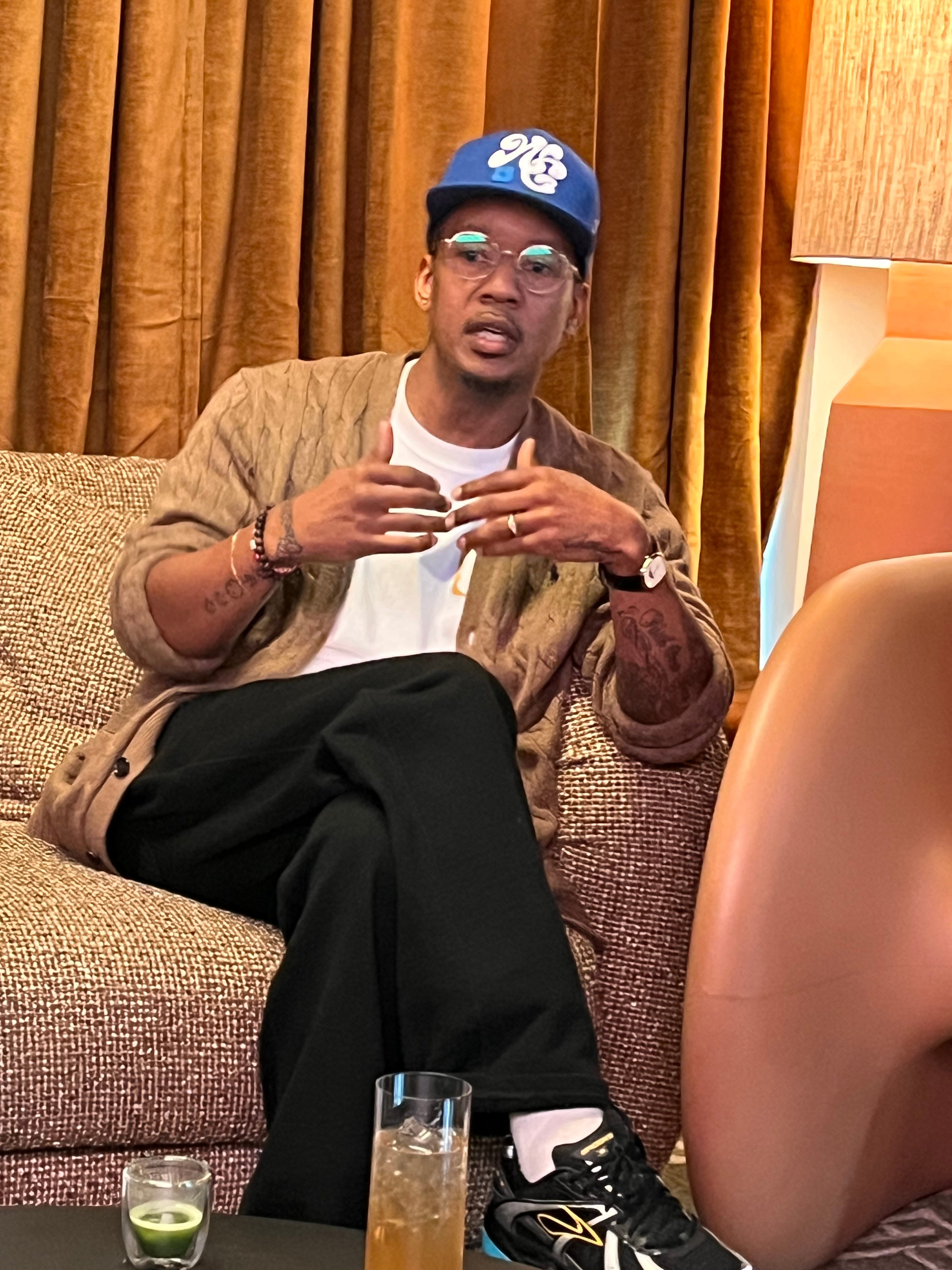
The evening was hosted at Equitea — Quentin Vennie’s stunning new matcha café on 28th Street, the first of its kind in Baltimore. The space itself felt like a statement: beautiful, intentional, and built right here. Quentin is also still developing his canned matcha product, so watch that space.
The panel brought together four voices who each represent a different lever for building this ecosystem: Quentin, Wendy Bolger of the Simon Center for Innovation & Entrepreneurship at Loyola, and Mark Anthony Thomas of the Greater Baltimore Committee. The conversation was honest in the way that small, intentional gatherings tend to be — no one was performing for an audience of thousands. Dinner was provided by Dignity Plates Culinary Training Academy of the Franciscan Center — itself a Baltimore institution doing meaningful work at the intersection of food and economic opportunity.
What I took away:
Baltimore has real advantages — if we stop apologizing for the disadvantages. Mark Anthony Thomas made clear he’s working behind the scenes on Baltimore’s economic development, and part of that work is narrative. He wants the city’s brand to be less The Wire and more what it actually is: a city with a remarkable food scene, a scrappy creative class, and a cost structure that gives founders room to breathe. He’s right. We keep waiting for permission to tell that story. We should stop waiting.
Quentin Vennie left LA and hasn’t looked back. He talked about how welcoming Baltimore has been since his return — a stark contrast to a city like Los Angeles, which for all its glamour can feel soulless and transactional when you’re trying to build something with meaning. Baltimore is a place where people actually show up for each other. That’s a competitive advantage, even if it doesn’t show up in a pitch deck.
We have infrastructure gaps, and we need to name them. I said it at the table and I’ll say it here: losing ExpoEast was a gut punch to this community. Southwest Airlines pulling back hurt our ability to be a regional hub. Austin has done it. Boulder has done it. There’s no reason Baltimore can’t become a nationally recognized home for food, beverage, and beauty brands — but it requires intention, investment, and honestly, a little more fight.
The mentorship and grant pipeline is growing. Wendy Bolger spoke to the work the Simon Center is doing to connect entrepreneurs — especially those historically excluded from traditional investment — with grants, mentorship, and community. This is the unsexy infrastructure that actually moves the needle over time.
The one thing we all agreed we’re missing: the older, more established CPG companies in our region lifting up the next generation. The rising tide conversation. It happens in other cities. It should happen here.
Baltimore Breakthrough exists, in part, because of exactly this kind of conviction. We’re building the connective tissue this community needs — between founders, buyers, and the people who believe in what we’re making here.
More to come. But last night reminded me why I do this work.
I agree whole heartedly